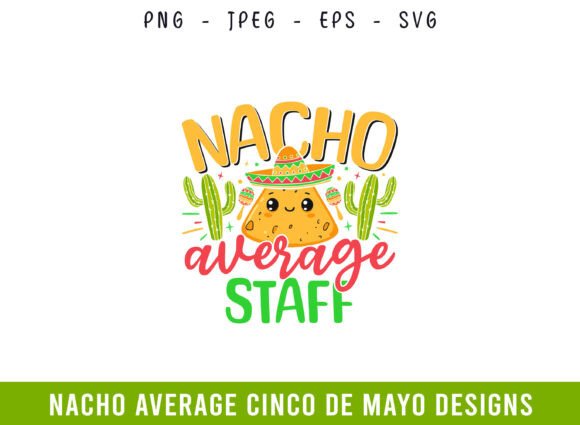
Nacho Average Nurse: A Cinco De Mayo Design for Real Embroidery
The Instant Fiesta Mood
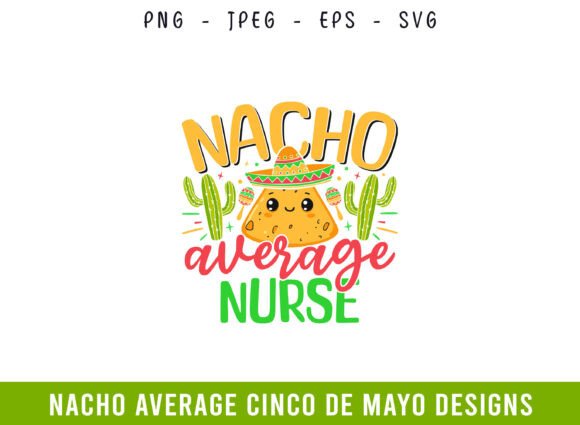
When I first opened the Nacho Average Nurse Cinco De Mayo SVG, my immediate reaction was a smile. This isn't just text; it's a playful, celebratory statement wrapped in a thematic layout. The design clearly intends to create a mood of lighthearted fun and professional pride. For an embroidery designer, this means the file isn't merely a graphic; it's a starting point for a product with personality. The balance between the bold, celebratory theme and the specific "Nurse" recognition gives it a dual appeal—it's perfect for a holiday gift but also for everyday wear that makes a statement. The fact it's described as made with vector shapes is a good sign for us embroiderers, suggesting clean lines and scalable details, which is crucial when translating a digital file into physical stitches.
Where This Design Finds Its Best Home
In my mind, I immediately started picturing this design on different products. Its bold, festive nature makes it a prime candidate for custom apparel meant to stand out. A embroidered sweatshirt or t-shirt for a nurse celebrating Cinco De Mayo feels like a natural fit. But I also pictured it on a tote bag—a practical, everyday item that carries the fun statement into a work or casual setting. Given the family-oriented mention in the description, I thought about a cozy blanket or a pillow cover as a personalized gift. The design’s vibe leans towards casual celebration, so I'd avoid overly formal products. For a small business owner or Etsy seller, this becomes a great item for holiday-themed listings or as a custom option for personalized gifts in a craft business.
A Real Project Scenario: The Embroidered Celebration Tote
Let's walk through a real case. Imagine a client requests a custom tote bag for a nurse friend as a Cinco De Mayo gift. I'd load this Nacho Average Nurse embroidery file. The promise of easy color change for dark or white backgrounds is key here. For a standard natural canvas tote, I'd likely opt for brighter, festive thread colors. The vector-based construction should help the design hold its shape even when scaled to fit the bag's panel. My primary concern would be the stitch density and how those potential 100 shapes translate into stitch regions. A tote bag can handle moderate density, but I'd need to ensure the design doesn't become too heavy, which could stiffen the fabric. This is where testing on scrap fabric first is non-negotiable.
Performance in Practical Embroidery Situations
This design’s strength lies in its thematic clarity. On a finished product, like a custom embroidered cap or a baby onesie (for a nurse parent!), the visual personality should translate well, assuming the stitching is clean. The potential for color customization means it can adapt from a bright white polo shirt to a dark heather gray sweatshirt, increasing its versatility for apparel decorators. For creating an embroidered patch, the distinct shapes and lettering could work nicely, provided the smaller details are not too intricate. When thinking about customer reaction, this design taps into recognition and humor. It’s likely to engage buyers looking for a gift that feels thoughtful and specific, not generic. That enhances the product value and the perceived care behind a handmade presentation.
Considerations for Texture and Scale
However, not every application is ideal. The description doesn't specify intricate stitch counts, so we must proceed with practical caution. On highly textured fabrics like some blankets or thick sweaters, fine details might get lost. Stitch clarity is paramount. I'd be careful using it on very thin or stretchy fabrics without excellent stabilizer, as the design's areas might cause puckering if the density is high. Embroidering on curved surfaces like the crown of a cap requires checking how the layout distorts—the lettering and shapes need to remain legible. Also, for products needing frequent washing, like kitchen towels or aprons, I'd want to confirm the stitch structure is robust enough to withstand wear, which again comes back to testing.
Designer Notes for a Successful Project
Before committing this to a client's item or my own shop merchandise, my process would involve a few key steps. First, a test run on scrap fabric that mimics the final product's material is essential. This reveals the true stitch density and how the shapes interconnect. Second, checking thread color contrast against both light and dark backgrounds is crucial, leveraging the file's color change capability. I'd create simple black and white mockups to visualize the layout without color bias. Third, confirming the hoop size needed for the intended scale prevents mid-project frustrations. Inspecting the small details, especially in any lettering, before stitching ensures the finished product looks professional. Finally, and critically, I would verify the licensing terms for this digital embroidery file. Can it be used for commercial embroidery projects, like items I sell in my small shop? Or is it only for personal gifts? This confirmation safeguards my business and customer trust.
The Bottom Line for Makers and Entrepreneurs
The Nacho Average Nurse Cinco De Mayo SVG presents a fun, thematic opportunity for crafters and creative entrepreneurs. Its mood is its biggest asset, creating products that feel celebratory and personal. For embroidery designers, the vector foundation suggests good adaptability, but its real-world performance hinges on practical testing and mindful application. It fits beautifully into niches like holiday gifts, boutique nurse apparel, and casual personalized products. By approaching it with a professional, realistic mindset—testing thoroughly, choosing suitable products, and respecting licensing—this graphic can become a reliable and engaging asset for your embroidery projects, enhancing your brand consistency and offering genuine giftability to your customers.