One Proud American Mini 4th of July Embroidery Design Review
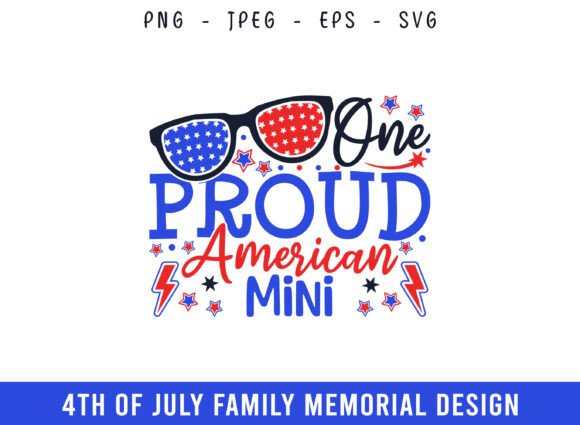
When I first opened this One Proud American Mini 4th of July SVG file, my immediate thought was, "This is a sweet spot between bold and subtle." It’s not an overwhelmingly large, flashy statement piece, but it carries enough visual weight to feel meaningful on a project. The mood it creates is one of quiet, confident patriotism—perfect for gifts and everyday wear rather than just loud holiday events. The layout is compact, with a balanced composition that suggests it was designed with real-world embroidery in mind.
Where This Design Finds Its Home
I picture this design on a custom embroidered tote bag for a craft fair. The client wants something patriotic but not garish, something a customer might use year-round to carry groceries or books. This design fits that niche beautifully. Its scale means it won’t dominate the bag’s surface, but the theme will still resonate. I can also see it stitched neatly onto the corner of a kitchen towel or apron for a boutique product line, or as a small, heartfelt detail on a baby’s quilt or nursery pillow cover. It feels like a design for personalized gifts and small shop merchandise rather than mass-produced apparel.
The Real-World Embroidery Test
In practical use, this embroidery file will perform well on stable fabrics. Think cotton tote bags, mid-weight sweatshirts, or canvas aprons. The detail level is manageable; I don’t foresee tiny, problematic lettering or impossibly dense stitch areas that would puckering thin fabric. However, this is where a professional’s caution comes in. On stretchy fabric like a thin t-shirt, or on a curved surface like a cap, you’d need to be extra vigilant with your stabilizer choice and hoop technique to keep the integrity of the shape. The design’s smaller size is a benefit here—it’s less likely to distort on a cap’s crown than a large, wide design would be.
Speaking of dark and light backgrounds, the description notes an easy change of color. This is crucial. For a dark t-shirt, you’d likely swap to lighter, brighter thread colors to maintain clarity and contrast. On a white tee or mug in a printable mockup, darker, richer tones would pop. This flexibility directly affects the design’s visual appeal and product value—it allows you to adapt the same core asset for different product lines in your craft business.
Careful Application on Tricky Surfaces
There are a few scenarios where I’d proceed with extra care. Textured fabrics, like a loosely woven linen or a thick, nappy blanket, could obscure the cleaner lines of the design. If you’re embroidering it as a patch to be applied later, the density should be checked on scrap fabric first to ensure the patch isn’t too stiff or bulky. And for items that need frequent washing—think baby clothes or kitchen towels—you’d want to test the stitch integrity and thread choices to ensure it lasts, which builds customer trust in your handmade products.
How It Elevates a Finished Product
From a commercial perspective, this design adds a layer of professionalism and brand consistency if you’re an Etsy seller or apparel decorator specializing in Americana or family-themed goods. It’s recognizably patriotic without being cliché, which can engage buyers looking for something a little more nuanced. Its giftability is high—it feels special without being overly expensive to produce. When stitched with clean satin stitches and tidy fill stitches, the final product looks intentional and well-crafted, which is exactly the presentation you want for a boutique product or craft fair item.
Practical Notes for the Working Designer
Before you load this into your machine for a client’s sweatshirt or your own small shop merchandise, here’s my standard workflow advice. Always test the design on a scrap of the actual fabric you’ll use. Check the thread color contrast against both light and dark backgrounds—sometimes what looks good on screen needs a slight adjustment in thread choice. Inspect the small details in the test stitch-out; are any corners too sharp or areas too dense for the fabric texture?
Confirm your hoop size can accommodate the design comfortably without forcing excessive tension. Use proper stabilizer; this is non-negotiable for a clean finish. And perhaps most importantly for creative entrepreneurs and digital product sellers: check the licensing terms for this graphics file before selling finished items or incorporating it into commercial embroidery projects. The description suggests versatility, but the license specifics are the bedrock of your business use.
A Natural Fit for Crafts and Graphics
As a piece of digital embroidery file, this design falls naturally into the Crafts and Graphics ecosystem. It’s an asset. Its value isn’t just in the single stitch-out; it’s in its adaptability across products—from an embroidered patch to a printable mockup for your online store. It supports a maker’s workflow. In my hands, evaluating it for real project use, the One Proud American Mini 4th of July SVG feels like a reliable, thoughtful design. It doesn’t promise to be everything for every project, but for the niches it belongs to—personalized gifts, thoughtful holiday embroidery, and subtle branded merchandise—it’s a solid, professional choice that will stitch out well and resonate with the end customer.